Retail fit out experts: transforming stores into high-performing customer experiences
11th May, 2026
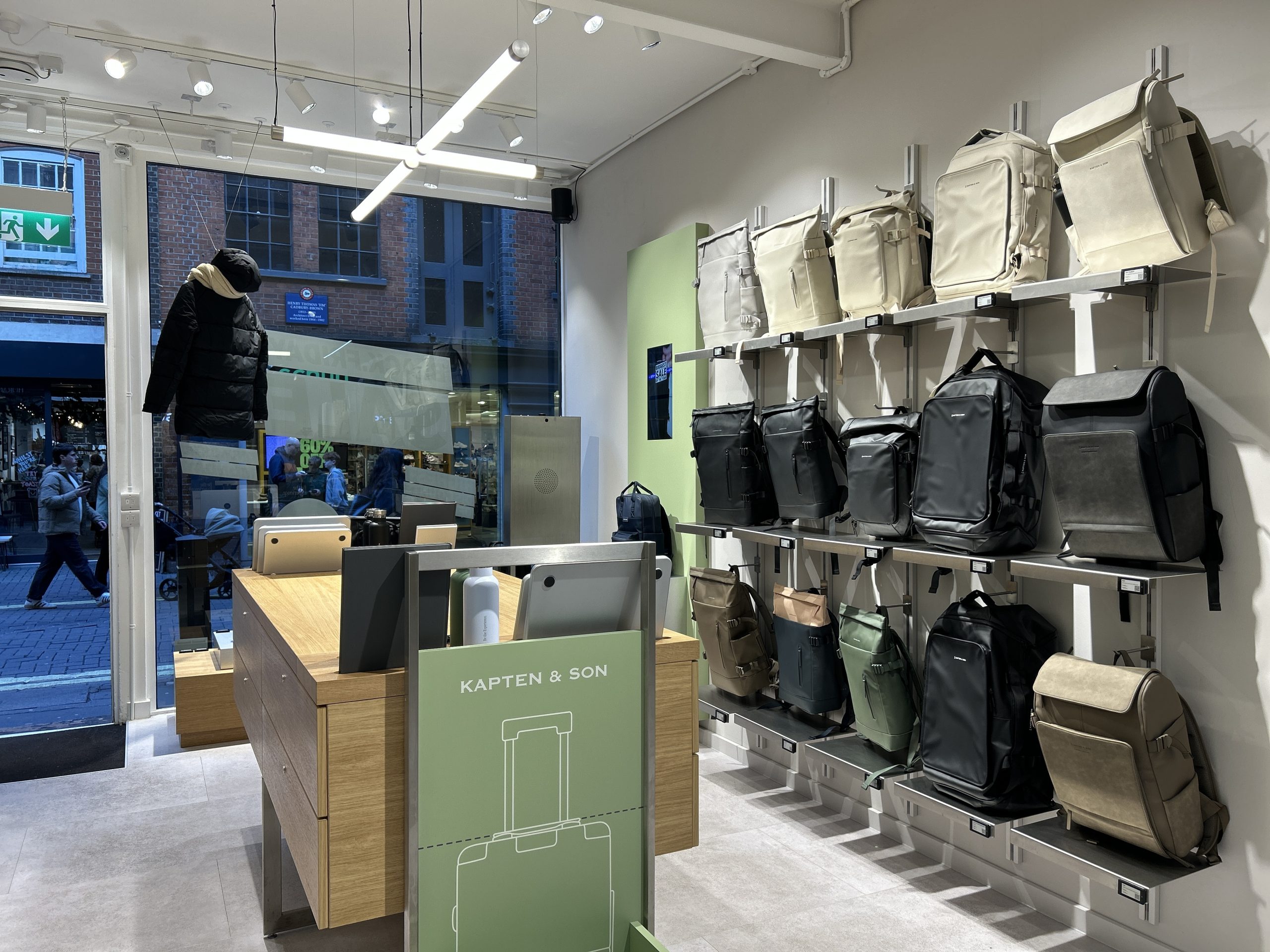
Retail has shifted. Physical stores are no longer just places to display products. They are environments designed to attract, engage and leave a lasting impression.
A well-executed retail fit out plays a critical role in this shift, turning a store into a destination that reflects the brand and enhances the customer experience. In an increasingly competitive market, this is what separates high-performing spaces from the rest.
Translating brand into space
At the core of every successful retail interior design is a clear understanding of the brand. The space must communicate brand identity instantly, from the storefront to the smallest detail inside. This is particularly important in flagship retail fit out projects, where the store often sets the tone for the entire brand portfolio. Materials, lighting and layout all work together to create a consistent and recognisable environment that customers can connect with.
Designing the customer journey
Great retail design doesn’t happen by accident – it’s carefully planned around how people move, interact and explore a space.
A considered retail fit out shapes the journey through:
- Clear and intuitive circulation paths
- Strategic product placement
- Moments of pause and discovery
- Visual focal points that draw attention
Whether it’s a standalone store or a retail concession, the goal is to guide customers naturally while encouraging engagement and increasing dwell time.
The role of materials and detail
In both premium and luxury retail fit out environments, quality is communicated through materials and craftsmanship. Customers often associate the feel of a space with the value of the product itself.
Durability is equally important, particularly in high-traffic areas. Materials must not only look refined but perform consistently over time, something experienced retail refurbishment contractors understand when delivering long-lasting environments.
Bespoke elements elevate the space further. A bespoke retail fit out might include custom display units, feature installations or tailored joinery that creates a distinct identity while maximising functionality.
Adapting to evolving retail design trends
Retail is constantly evolving, and stores must adapt to remain relevant. Current retail design trends point towards more flexible, experience-led environments that can change over time.
This often includes:
- Modular displays that can be reconfigured
- Spaces designed for events or activations
- Integration of digital touchpoints
- Layouts that support both browsing and interaction
Flexibility allows retailers to refresh their space without the need for a full retail refurbishment, extending the lifespan of the fit out.
Blending physical and digital experiences
Technology is now part of the retail environment, but it needs to be integrated carefully. The most successful spaces use technology to enhance the experience without overwhelming it. From interactive displays to seamless payment systems, digital elements should feel like a natural extension of the space, supporting both the customer journey and operational efficiency.
The impact of refurbishment and reinvention
Not every project starts from scratch. A well-planned retail refurbishment can transform an existing space into something entirely new, improving both performance and perception.
Working with experienced retail refurbishment contractors ensures that upgrades are delivered efficiently while maintaining the integrity of the design.
Creating retail environments that perform
A successful retail fit out brings together design, strategy and execution. It creates a space that not only looks compelling but also works commercially, attracting customers, encouraging interaction and supporting sales.
DBSJ: Retail fit out experts
At DBSJ, we deliver high-quality retail fit outs, from bespoke retail fit out projects to large-scale flagship retail fit out environments.
Combining design expertise with precision delivery, we create spaces that reflect brand identity, respond to evolving retail design trends and perform in a competitive market.