How to increase opening day occupancy in a new flex office: Design strategies that work
14th November, 2025
Opening a new flex office is more competitive than ever. With hybrid work reshaping expectations, tenants are no longer choosing spaces based on location alone, they want more compelling reasons to choose the office over working from home, seeking the clear benefits of flexible office space.
But what does that mean? At DBSJ we know that the fastest way to boost occupancy from day one is to design and build an office people actually want to be in. From hospitality-led environments to experience-driven layouts, flex office operators who understand what today’s occupiers value are the ones filling their buildings from the opening day.
Here are the design strategies that work — backed by industry insight, behavioural trends and DBSJ’s first-hand experience delivering high-performing flex offices across the UK.
1. Start with experience-led, hospitality-driven design
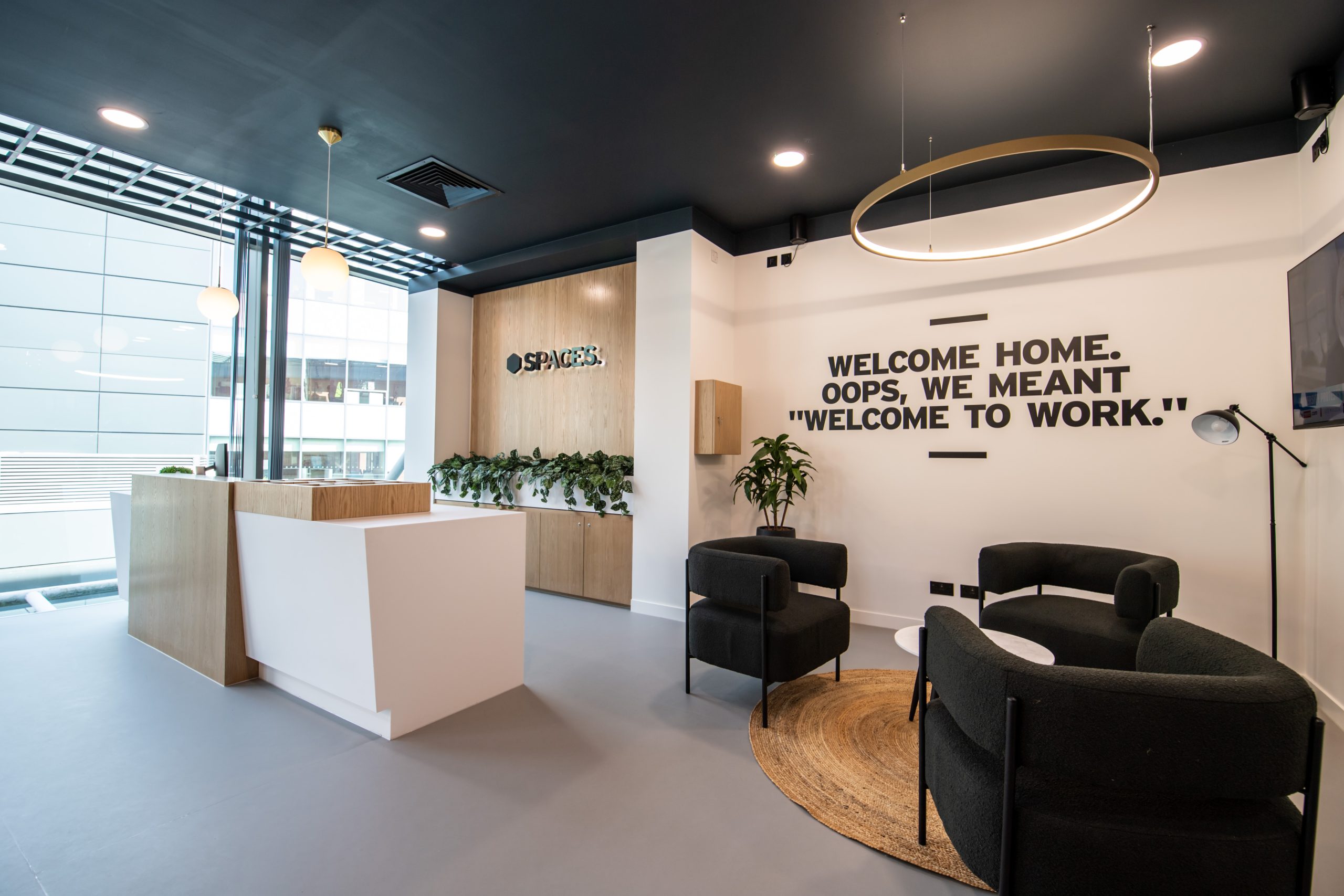
The latest research on office fit outs and flex office demand, Spaces to Places report: Voice of the Customer, confirms a major shift in last years. Most office workers would increase office attendance if the workplace offered an exceptional experience, supporting greater office design for employee wellbeing. To maximise occupancy from day one, flex offices must feel more like a boutique hotel than a traditional office fit out.
That means investing in:
- Warm, tactile materials
- Biophilic design and soft lighting
- Lounge-style breakout spaces
- Comfortable, hospitality-inspired finishes
- Barista-style coffee points and social hubs
When your office fit out feels unforgettable, opening day occupancy follows.
2. Build a true third space, not just an office
A Third Space is an environment between home and office — relaxed, inspiring, human.
When designed properly, it:
- Raises attendance
- Strengthens tenant satisfaction
- Drives long-term retention
- Encourages natural community-building
Third Spaces blur the line between work and comfort, helping people feel welcome the moment they walk in. This emotional connection is a major driver in early occupancy.
3. Use design visualisation to sell the experience before it exists
The most successful openings happen when tenants see the vision long before the doors open. Our design team helps both our partners and the occupiers picture the space through:
- Early-stage moodboards
- High-quality 3D renders
- Axonometric views
- Virtual walkthroughs
These tools help prospects visualise the environment and how they see themselves in it, making it easier to convert them into clients. This is especially powerful for franchise operators and landlords who need pre-leasing momentum.
“When we deliver a centre with DBSJ, our opening occupancy numbers are exceptional. This is due to the quality of the centre and the fact they are always open on time. If there were delays, even by a week, it would impact our sales as we’d have to find alternative office space. However, we trust DBSJ to deliver on time.”
Marnus Van Zyl, IWG – Former Design & Construction Regional Lead UK, Europe & Africa
4. Create spaces that support every work mode
Flex office tenants expect environments that adapt to them, not the other way around. Opening day occupancy will always be higher when your office design includes:
- Private focus rooms
- Quiet booths
- Adaptable meeting rooms (often featuring modular office furniture for flexibility)
- Collaboration zones
- Event-ready social spaces
- Wellness rooms (key for office design for employee wellbeing)
- Open coworking areas
People work differently — and the most successful flex offices acknowledge this right from the design stage.
5. Prioritise seamless technology integration
Hybrid workers cannot afford tech friction. High occupancy requires office fit outs that are designed around technology integration. That means:
- Reliable, ultra-fast connectivity
- Plug-and-play AV
- Acoustic control
- Smart lighting and HVAC
- Seamless booking and access systems
Technology is a deal-breaker in modern office interior design.
6. Invest in high-quality joinery for first impressions that matter
Inspiring joinery elevates the user experience and reinforces your Flex Office brand. Elements such as:
- Custom reception desks
- Integrated booth seating
- Timber panelling
- Feature teapoints
- Statement shelving
- Elegant acoustic solutions
These details create cohesion, warmth and identity, instantly setting your commercial office fit out apart from office fit out competitors on day one.
7. Build community into the design itself
Tenants don’t just choose flex offices for desks, they choose them for community. Design and build office fit outs that naturally encourage interaction, such as:
- Open lounge areas
- Coffee points that anchor movement
- Event spaces
- Shared project tables
- Social hubs
Community-minded design builds long-term occupancy and drives early sign-ups.
8. Leverage every touchpoint before opening
Design should support your pre-launch strategy. Use your visuals, walkthroughs and design narrative to fuel:
- Pre-opening tours
- Social teasers
- Operator marketing
- Broker engagement
- Tenant previews
- Franchise partner visits
The strongest openings begin months before the first tenant arrives, powered by compelling, story-led design.
Opening day occupancy starts with exceptional design
A flex office stands out — and fills up — when it is:
- Hospitality-driven
- Experience-led
- Designed as a true Third Space
- Optimised for tech integration
- Community-focused
Landlords and operators who invest in these principles see the fastest uptake, strongest retention and highest demand.
Ready to increase occupancy from day one?
DBSJ designs and builds exceptional flex offices that attract tenants fast and keep them engaged long-term. From 3D visualisation and space planning to full CAT B office fit outs, we are the office fit out contractor you need you need to bring your vision to life.