
Mastering materials with Leon Green
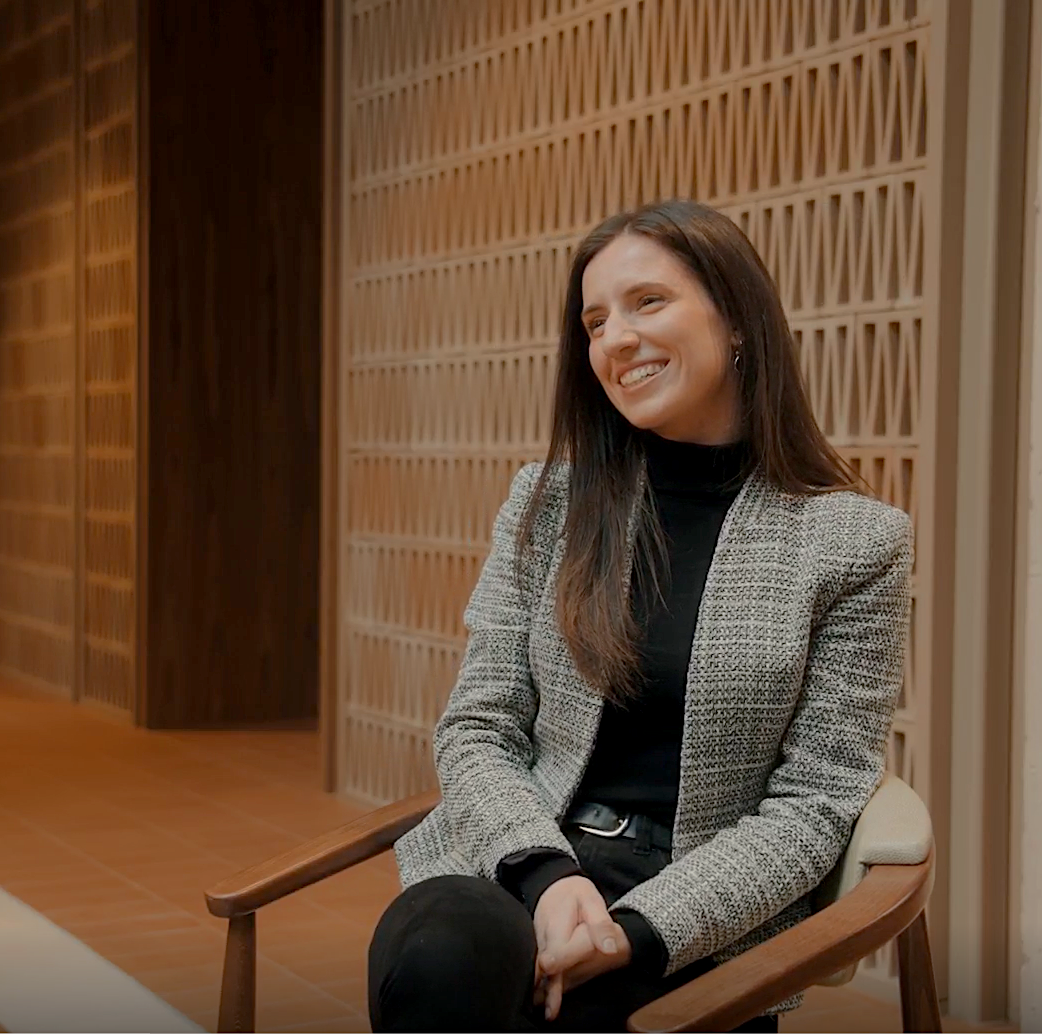
Material selection defines how an interior looks, feels and performs over time. Leon Green, Estimator and Material Specialist, brings decades of hands-on experience in material selection to create memorable environments that balance aesthetics and quality, ensuring every detail helps bring the client’s vision to life and stands the test of time.
How did you first get into the world of specialist materials?
I started out as a cabinet maker in 1989, completing a three-year apprenticeship at the London College of Furniture, where I was awarded Student of the Year 1990. I fell in love with the trade straight away – the smells, the textures and the small decisions that make each piece unique. That sense of satisfaction when a piece of cabinetry or joinery is completed is exactly the same now as it was all those years ago.
Throughout my career, I saw how often project budgets meant the materials originally specified for the joinery had to be reconsidered for many reasons. Over time, I learnt more about materials so I could propose alternatives that preserve the quality of workmanship and still deliver on the original design. My goal was simple: turn clients’ dreams into a reality.
During your time as an Estimator and Materials Specialist with us, how have you seen materials selection evolve?
I’ve seen – and encouraged – a shift towards more eco-friendly and budget-conscious materials. Sustainability and responsible material sourcing are increasingly central to how we work. Sustainable materials should be the standard way to work, not the exception.
While long-lasting, durable timbers and finishes are the most sustainable option in the long run, not every project requires a lifespan of decades. Some projects are designed for shorter life cycles, and that’s where modern material innovation gives us a huge range of options to propose that still deliver on quality and intent without costing the Earth.
What role do materials play in shaping the quality, look and longevity of joinery?
Selecting the right specialist materials for the specific conditions each piece of joinery will face is essential. For example, when we manufacture kitchens or vanity units, we would always use moisture-resistant substrates to preserve its durability and appearance for longer. While many mainstream suppliers cut costs on materials, we would never compromise on quality. The business has built a strong reputation on high standards and protecting that legacy is important to us all.


How does choosing the right material impact project costs and turnaround times?
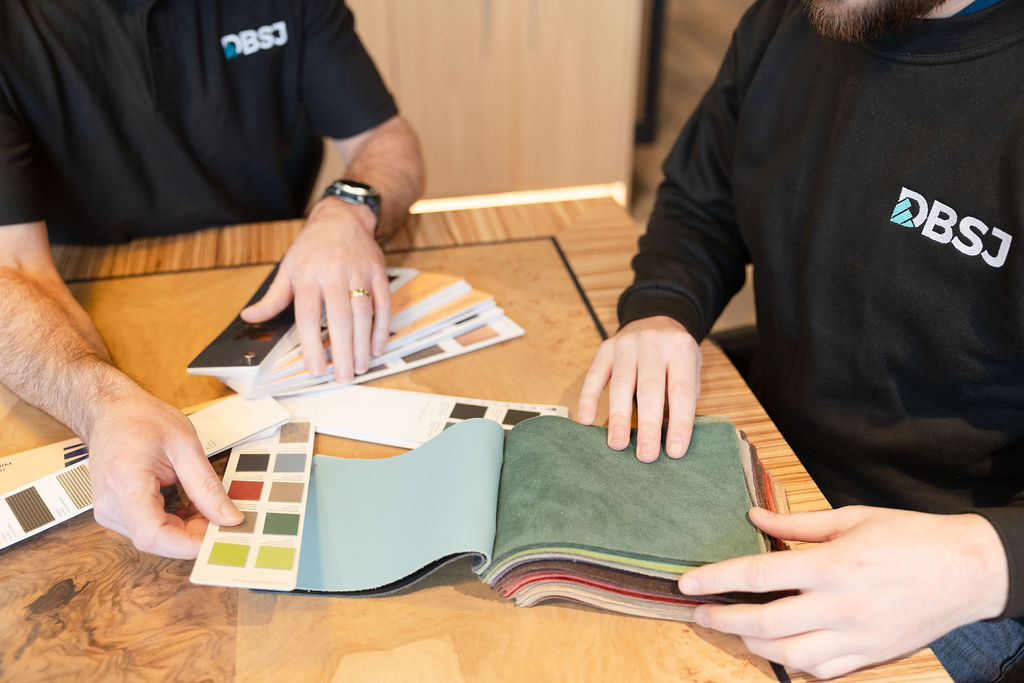
We will always provide a specification-compliant estimate and, when needed, we also offer a value-engineered alternative with samples proposing our vision for the client. Often, joinery budgets are set in advance without a full understanding of material costs. Something as simple as birch ply can be three times the cost of oak-veneered MDF, so having those conversations early helps align expectations from the start and build a collaborative partnership.
What are the most commonly used materials in our workshop, and what makes them stand out?
When a white-box CAT A space becomes a finished, usable environment, MDF-based boards are most commonly used, whether veneered or laminated. In bespoke joinery, solid and veneered oak is by far the most used finish, as it’s timeless, incredibly durable and can last for generations. Oak can always be restored and refreshed decades later.
What are the key considerations when blending different materials like timber, metal, fabric and glass?
Almost every modern interior fit out includes at least one element that brings multiple materials together, whether that’s a reception desk, tea point, feature wall, ceiling or planter. Some materials require a more technical approach than others. Metals require careful handling during installation due to their weight, whilst solid timbers introduce both weight and finishing considerations for the fitting team. Glass, however, is a particularly special material, adding a sense of refinement and lightness – and it’s one I’m always keen to incorporate into our joinery and cabinetry whenever possible.
Finally, what advice would you give to designers or clients choosing materials for bespoke joinery?
My advice often comes down to understanding material limitations, particularly size, weight and availability constraints and where certain materials can realistically be used. Many great design ideas need tweaking because the material simply isn’t available in the required size or within budget. That said, I also believe designers and clients should always push the boundaries of what’s achievable, whereas joinery specialists may push back too often rather than approach the design from a different perspective. Pushing these boundaries is what we do, and it makes for far more interesting projects. That’s how exceptional interiors are created.