Flex office design trends for 2026: What landlords need to know to stay competitive
18th October, 2025
Flex offices are no longer a niche offering, they’re now a core part of the UK’s commercial fit out property landscape. As hybrid work becomes the norm, tenants are demanding more than a space to work in. They want experience, flexibility and environments that feel genuinely worth commuting for.
For landlords, the message is clear: those who invest in the right office design & build trends will secure higher occupancy, longer commitments and premium rates.
Here’s what’s shaping flex office design in 2026 and what every landlord needs to know to stay ahead.
1. Hospitality-led workspaces are becoming the new standard
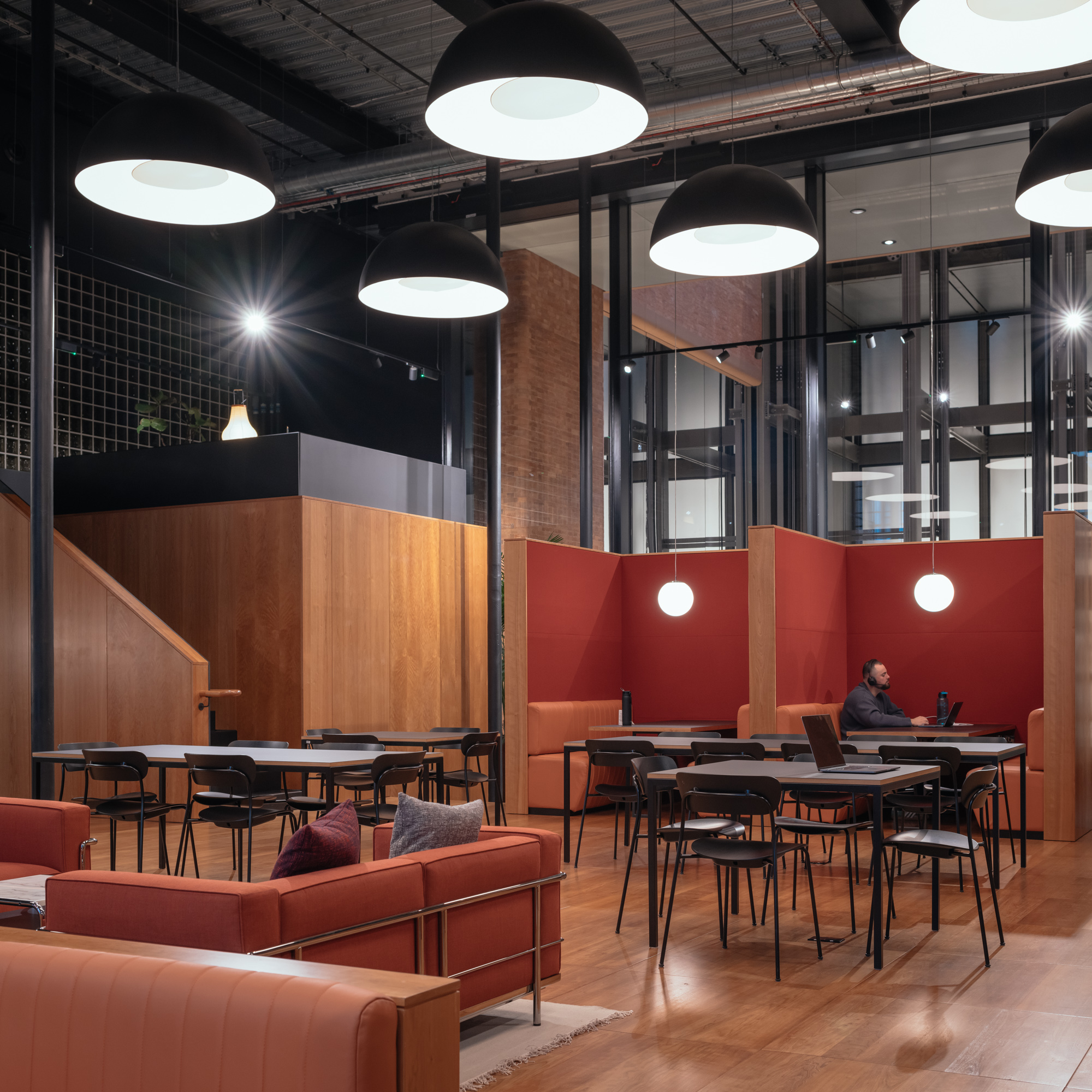
In 2026, hospitality design is no longer a “nice to have”, it’s the baseline expectation. Workers want modern office fit out designs that feel like a seamless blend of a boutique hotel, a coworking hub and a calm, inspiring retreat. For landlords, this means investing in:
- Warm, tactile materials
- Soft lighting and welcoming finishes
- Lounge-style social spaces
- High-quality food and beverage offer
- Thoughtfully curated ambience
This trend is driven by the rise of the third space: workplaces that sit between home and office, prioritising the workers’ experience and wellbeing.
Hospitality-led design increases attendance, boosts tenant satisfaction and supports longer-term agreements.
2. Experience-led design drives higher occupancy
The latest Spaces to Places report, Voice of the Customer, highlights a major shift: 71% of workers say they would increase office attendance if the workplace experience was exceptional. For landlords, this means the key to competitiveness lies in:
- Community-driven spaces
- Event-ready areas
- High-quality socials hubs
- Biophilic design
- Wellness-focused layouts
Experience-led workspaces inspire loyalty and differentiate a building in a crowded flex office workspace solutions market. This approach is gaining traction, as evidenced by major players like International Workplace Group (IWG) continually adapting their offerings.
3. Flexibility and adaptability are non-negotiable
Tenants expect workspaces that can evolve with their teams, aligning with agile workspace design principles. In 2026, landlords must prioritise:
- Modular furniture
- Adaptable layouts
- Reconfigurable meeting rooms
- Multi-purpose zones
- Quiet focus areas alongside collaboration hubs, embracing activity-based working office design principles
Modern office fit outs that can change function throughout the day—or throughout a tenant’s lease—are the ones that remain in demand.
4. Inspiring custom office interiors are on the rise
Generic office fit outs are losing ground fast. Tenants increasingly prefer original environments that feel crafted and intentional, a key aspect of the future of office design trends. That means a growing demand for:
- Custom reception desks
- Integrated booth seating
- Timeless timber panelling
- Feature teapoints
- High-quality storage solutions
- Precision acoustic detailing
Bespoke joinery enhancing the look and feel while maximising space efficiency, an essential factor in prime city locations.
For landlords seeking to deliver truly unique and high-end environments, understanding the key components of a luxury fit-out is essential. DBSJ’s approach to creating exceptional luxury interiors provides further insights into this evolving market, as detailed in our comprehensive guide to prime and luxury fit-outs.
5. Seamless technology infrastructure is essential
Hybrid work demands flex office spaces that support frictionless digital collaboration. In 2026, landlords must ensure:
- High-performance connectivity
- Fully integrated AV
- Acoustic control and privacy
- Plug-and-play meeting rooms
- Smart lighting and HVAC systems
Tech integration is the backbone of the tenant experience in modern office fit outs.
6. Wellness features influence leasing decisions
More than ever, workplace wellbeing shapes tenant expectations. Landlords should integrate:
- Natural light and biophilic elements
- Quiet rooms and wellness suites
- High-quality air and thermal comfort
- Spaces for meditation, rest or movement
- Materials that create warmth and calm
Wellbeing is now central to ensure an office fit out encourages hybrid workers to go to the office.
7. ESG and sustainable fit-out are becoming deal-breakers
Sustainability influences everything from investment decisions to tenant brand values. In 2026, landlords must show:
- Evidence of responsible material choices
- Transparent reporting
Buildings that prioritise ESG not only attract high-quality tenants but also future-proof long-term value.
Why landlords who invest early will win big
Flex offices continue to outperform traditional leases in occupancy, growth and long-term resilience. Landlords who embrace the trends now will benefit from:
- Increased competitiveness
- Higher demand
- Stronger tenant retention
- Premium pricing opportunities
- Long-term asset value growth
In a market driven by experience and expectation, design-led flex offices are becoming the most powerful differentiator.
DBSJ: Designing flex offices that stay ahead of market trends
At DBSJ, we bring together hospitality-led design, bespoke joinery, workplace strategy and high-quality office fit out to create flex offices that stand out in a fast-evolving market. From concept to completion, we help landlords:
- Understand occupier behaviour
- Strengthen their brand positioning
- Build exceptional Third Space environments
- Maximise occupancy and long-term retention
If you’re ready to create an inspiring flex office that makes hybrid workers look forward to Mondays, get in touch, we’re the experienced office fit out contractor you need.